Front Yard Power Raking Benefits
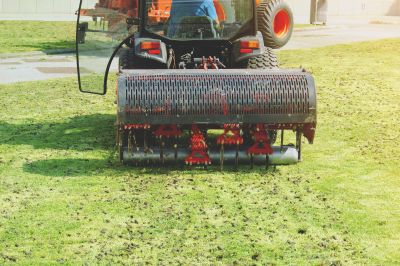
Performing power raking in early spring helps remove accumulated thatch and debris, promoting healthy grass growth as the season begins.
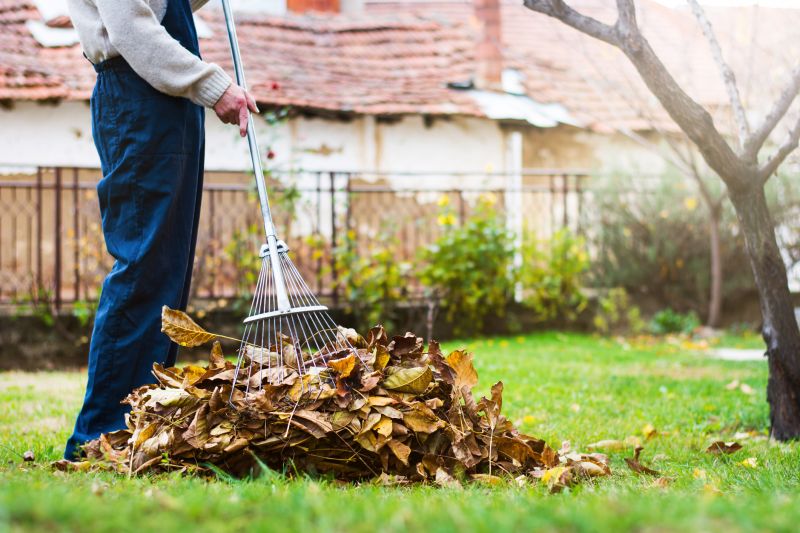
Late fall is ideal for power raking to clear fallen leaves and prepare the lawn for winter dormancy, reducing thatch buildup.
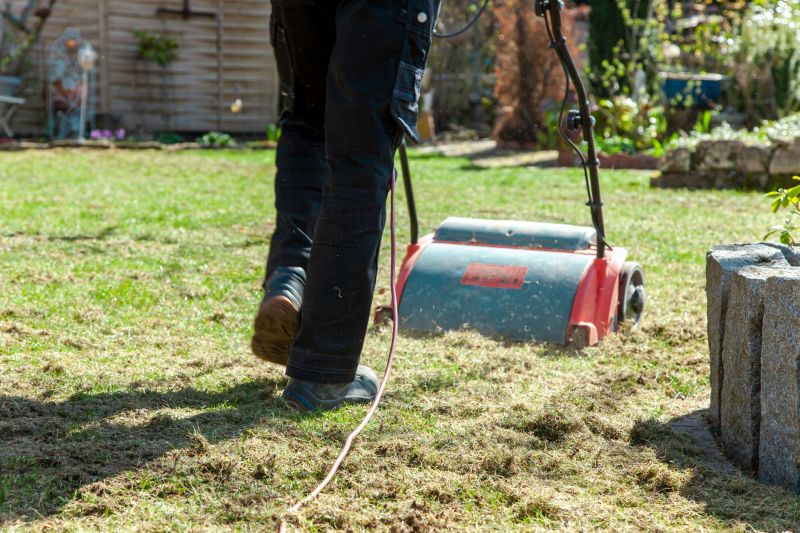
Mid-summer power raking can help alleviate soil compaction and improve aeration during peak growing season.
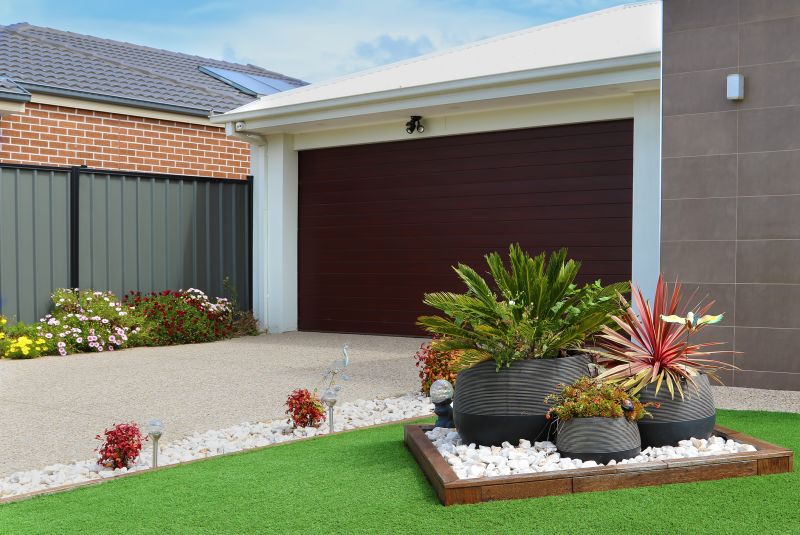
Ways to make Front Yard Power Rakings work in tight or awkward layouts.

Popular materials for Front Yard Power Rakings and why they hold up over time.

Simple add-ons that improve Front Yard Power Rakings without blowing the budget.

High-end options that actually feel worth it for Front Yard Power Rakings.

Finishes and colors that play nicely with Front Yard Power Rakings.
Front yard power raking is a lawn maintenance process that involves using specialized equipment to remove thatch, moss, and debris from the grass surface. This procedure enhances air, water, and nutrient penetration, resulting in healthier turf. Power raking is particularly beneficial for lawns with excessive thatch layers, which can impede root growth and promote disease.
Enhances air circulation, reduces moss, and promotes healthy growth for a lush front yard.
Thick thatch layer, moss presence, and poor drainage are indicators that power raking is needed.
Use of specialized rakes and machines designed to efficiently remove debris without damaging the grass.
Typically recommended once or twice per year, depending on lawn conditions and thatch buildup.
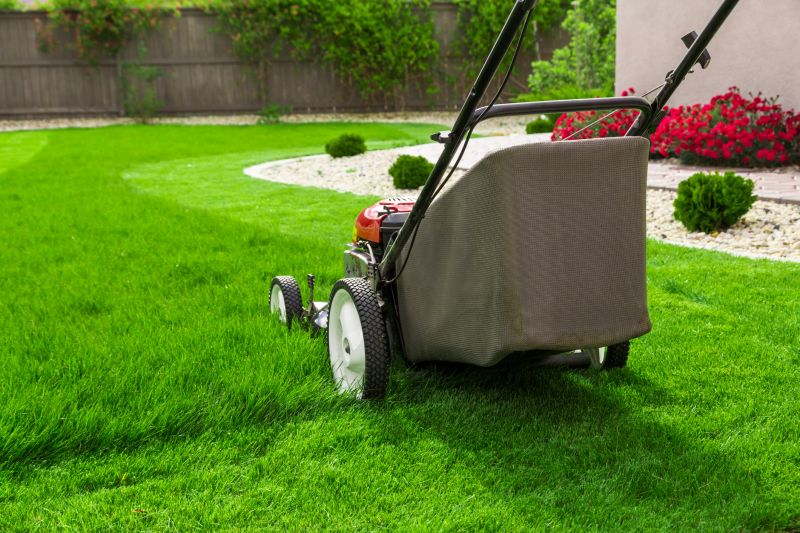
Little measurements that prevent headaches on Front Yard Power Rakings day.
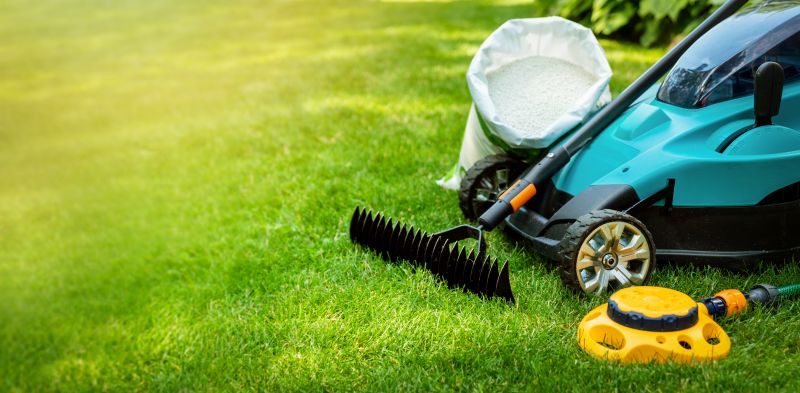
A 60-second routine that keeps Front Yard Power Rakings looking new.
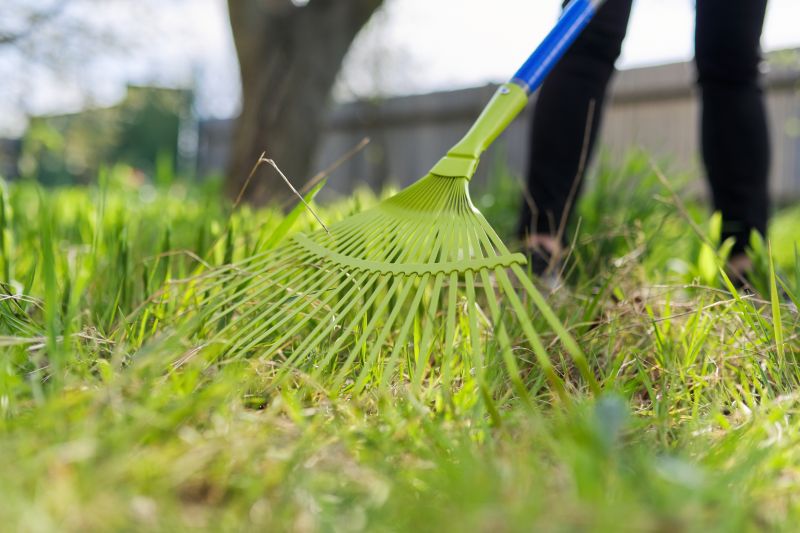
A frequent mistake in Front Yard Power Rakings and how to dodge it.

Small tweaks to make Front Yard Power Rakings safer and easier to use.
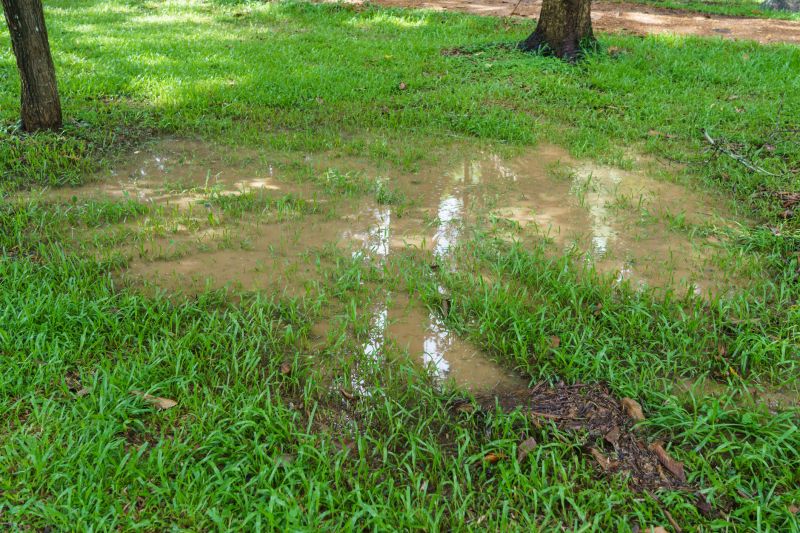
Lower-waste or water-saving choices for Front Yard Power Rakings.
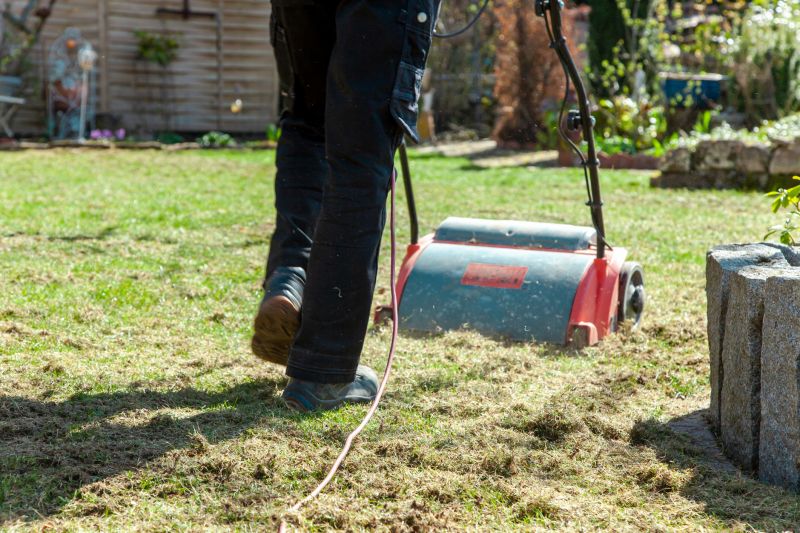
The short, realistic tool list for quality Front Yard Power Rakings.

Rough timing from prep to clean-up for Front Yard Power Rakings.

Quick checks and paperwork to keep after Front Yard Power Rakings.
| Best Time for Power Raking | Key Considerations |
|---|---|
| Early Spring | Removes winter debris, promotes growth |
| Late Fall | Prepares lawn for winter, reduces thatch |
| Mid-Summer | Improves aeration during peak season |
| Post-Disease Treatment | Helps recover from lawn diseases |
| When thatch exceeds 0.5 inches | Indicates need for removal |
Understanding the optimal timing for front yard power raking can significantly impact lawn health and appearance. Properly scheduled power raking ensures that the grass receives maximum benefits from subsequent fertilization and aeration, leading to a dense and vibrant front yard.
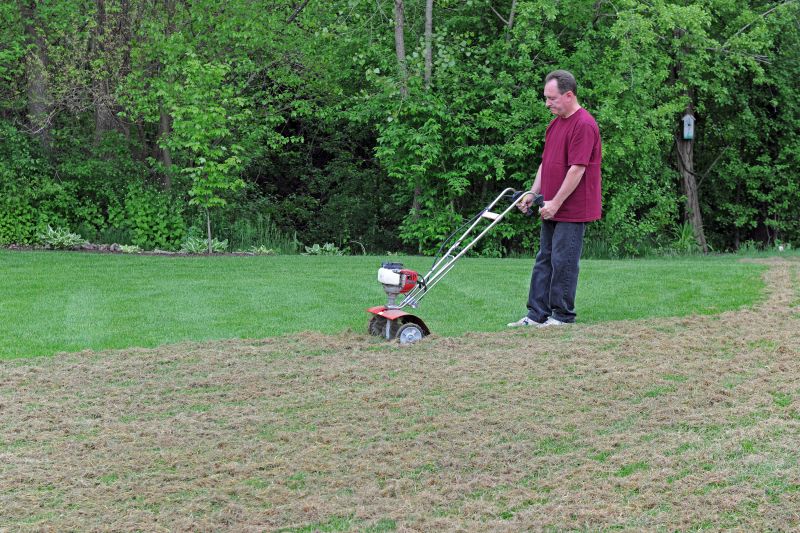
Power raking machines and hand rakes used for effective debris removal.

Result of timely power raking and proper lawn care practices.
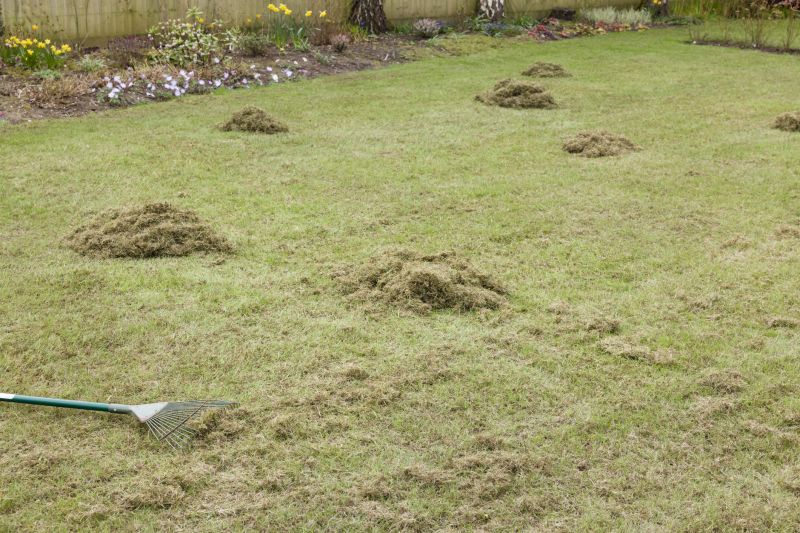
Equipment removing thatch from the lawn surface.
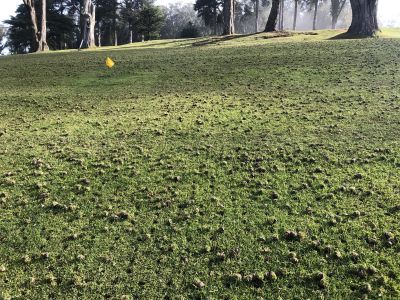
Lawn showing signs of healthy regrowth after power raking.

Examples that show the impact a good Front Yard Power Rakings can make.

Ways to make Front Yard Power Rakings work in tight or awkward layouts.

Ways to make Front Yard Power Rakings work in tight or awkward layouts.
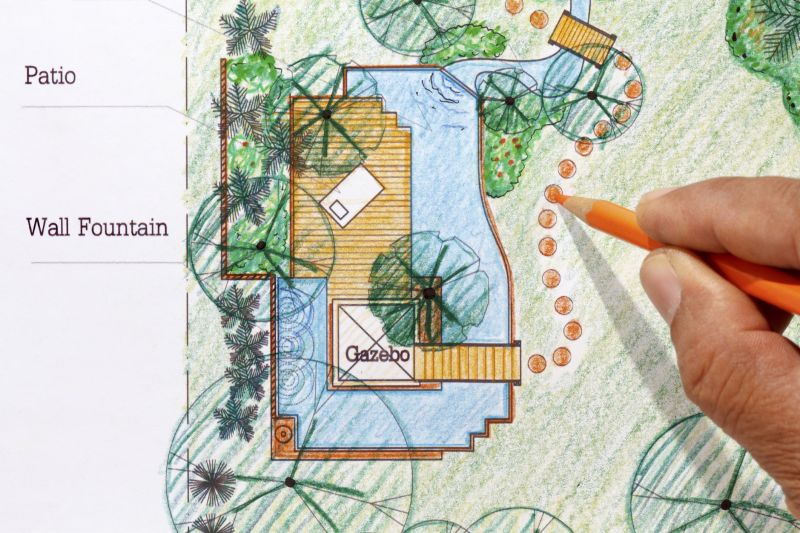
Ways to make Front Yard Power Rakings work in tight or awkward layouts.
If interested in scheduling a front yard power raking, filling out the contact form is recommended. Proper timing and technique can enhance lawn health and aesthetic appeal, making it a worthwhile investment for maintaining a vibrant front yard.